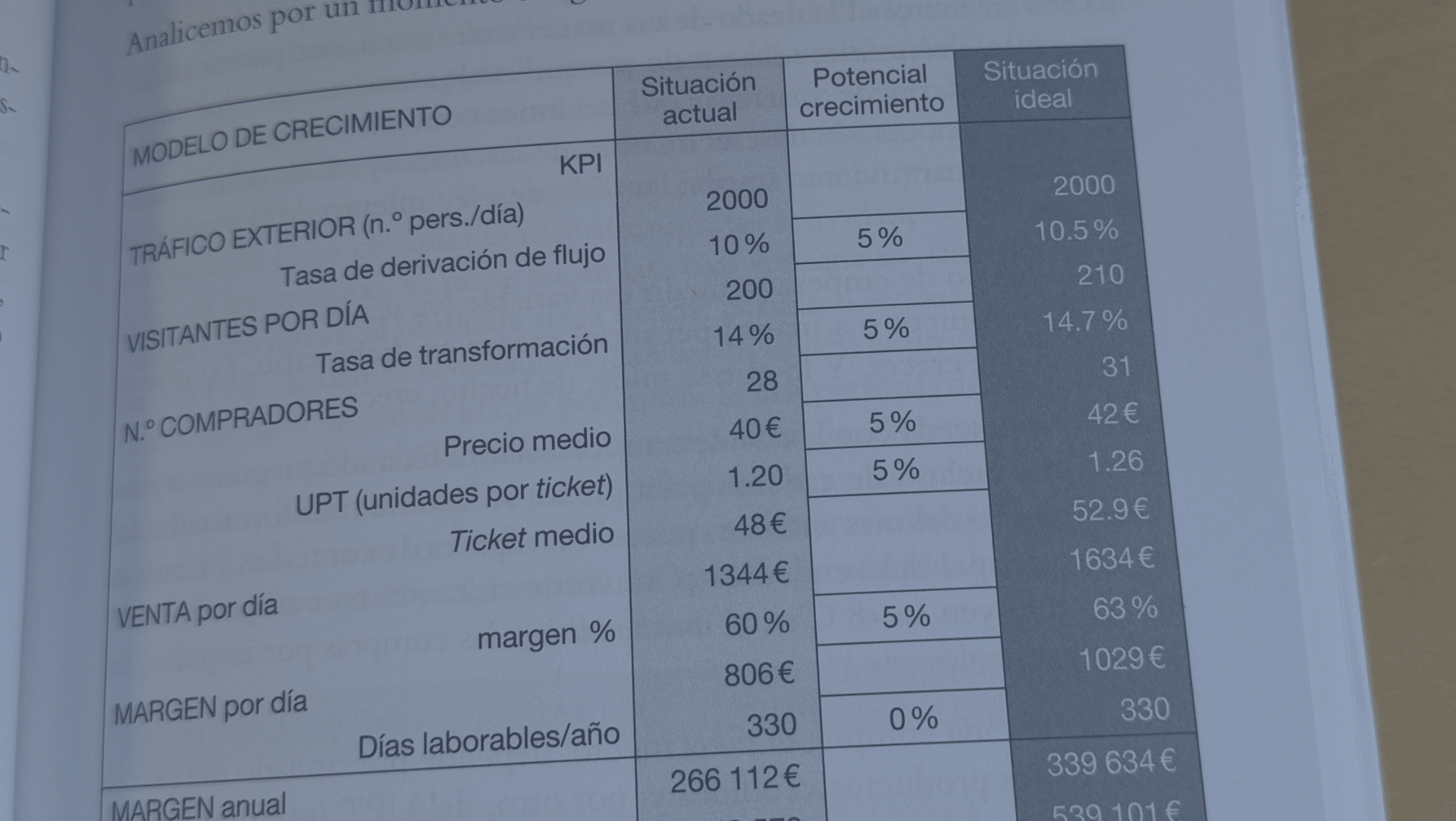


A KPI measures the health of the business. An OKR says where we want to go, and why. In store, both are useful, but KPIs alone steer teams toward what is counted, not necessarily toward what lasts.
In our previous article, I read the methodology of the TIME × Statista ranking of the most sustainable companies. It holds a simple lesson for retail, one our CapKelenn trainees know well: what gets measured, improves.
The lesson for retail: what gets measured improves
This ranking is not wrong. It does what every indicator does: it steers behavior toward what is counted. Measure emissions per euro and reporting quality, and you will get excellent reports.
In store, it is exactly the same.
| If you only measure… | You often get… |
|---|---|
| Average basket | Short-term selling and potentially returns |
| Conversion rate | Sales associates who sometimes “drop” clients who are “not ready” |
| Daily sales | Sprints and little clienteling |
| Number of trainings completed | Hours of training, not new behaviors |
The retailers that last also measure what lasts: 12-month client loyalty, sales associates’ progress, team energy. These indicators are harder to track. That is exactly why they make the difference.
KPI or OKR: what is the difference?
This is where the distinction between KPI and OKR becomes useful.
- A KPI (Key Performance Indicator) measures the health of the business, continuously: revenue, average basket, conversion rate. It answers the question “where are we?”.
- An OKR (Objectives and Key Results) starts from an intention: a qualitative objective that gives meaning, then 2 to 4 measurable results that prove progress. It answers the question “where do we want to go, and why?”.
The Statista ranking works like a KPI dashboard: it observes. It says nothing about intention, or about consistency with values.
An in-store OKR example
In store, an OKR can turn values into actions. For example:
Objective: every client wants to come back, and every sales associate wants to stay.
- 60% of clients come back within 12 months.
- 100% of sales associates have a monthly coaching conversation with their manager.
- Team energy, measured monthly, rises by 1 point out of 10 in 6 months.
KPIs remain essential to steer the business. But without OKRs, you optimize numbers. With OKRs aligned with your values, you build something that lasts.
2 questions to ask yourself on Monday morning
- Are your stated values reflected in your store objectives and KPIs, or only on your walls?
- If your sales associates optimized your current KPIs 100%, would your client still come back in 5 years?
www.capkelenn.com
info@capkelenn.com
Benoit Mahé – Co-founder of CapKelenn